The Latin word incipit, "it begins," names the first words of a text. For a novel, the term often stretches to the first sentence, the first paragraph or even the first pages, meaning everything that brings the reader into the story. It's also the passage read by someone browsing in a bookstore, or by the agent who opens your manuscript, before deciding whether to keep going.
What an opening has to do
Opening lines are traditionally given three functions:
- to inform, by setting the frame (the place, the time, the main character);
- to seduce, by making the reader want to read on;
- to orient, by signaling the tone, genre and style of the novel.
Few openings do all three at once. Some prefer unsettling the reader to informing them, others set a mood without reaching for effect.
Key point. A successful opening gives the reader a reason to read the next sentence, and it can keep everything else for later.
The four types of openings
French literature teaching distinguishes four broad ways of opening a novel.
1. In medias res, or the dynamic opening
The Latin phrase means "in the middle of things": the reader arrives in the middle of the action, with no introduction, and discovers the context later. Jules Verne opens The Mysterious Island (1875) on shouts exchanged in a balloon swept along by a storm, "Are we going up again?", then "No! On the contrary! We're going down!"
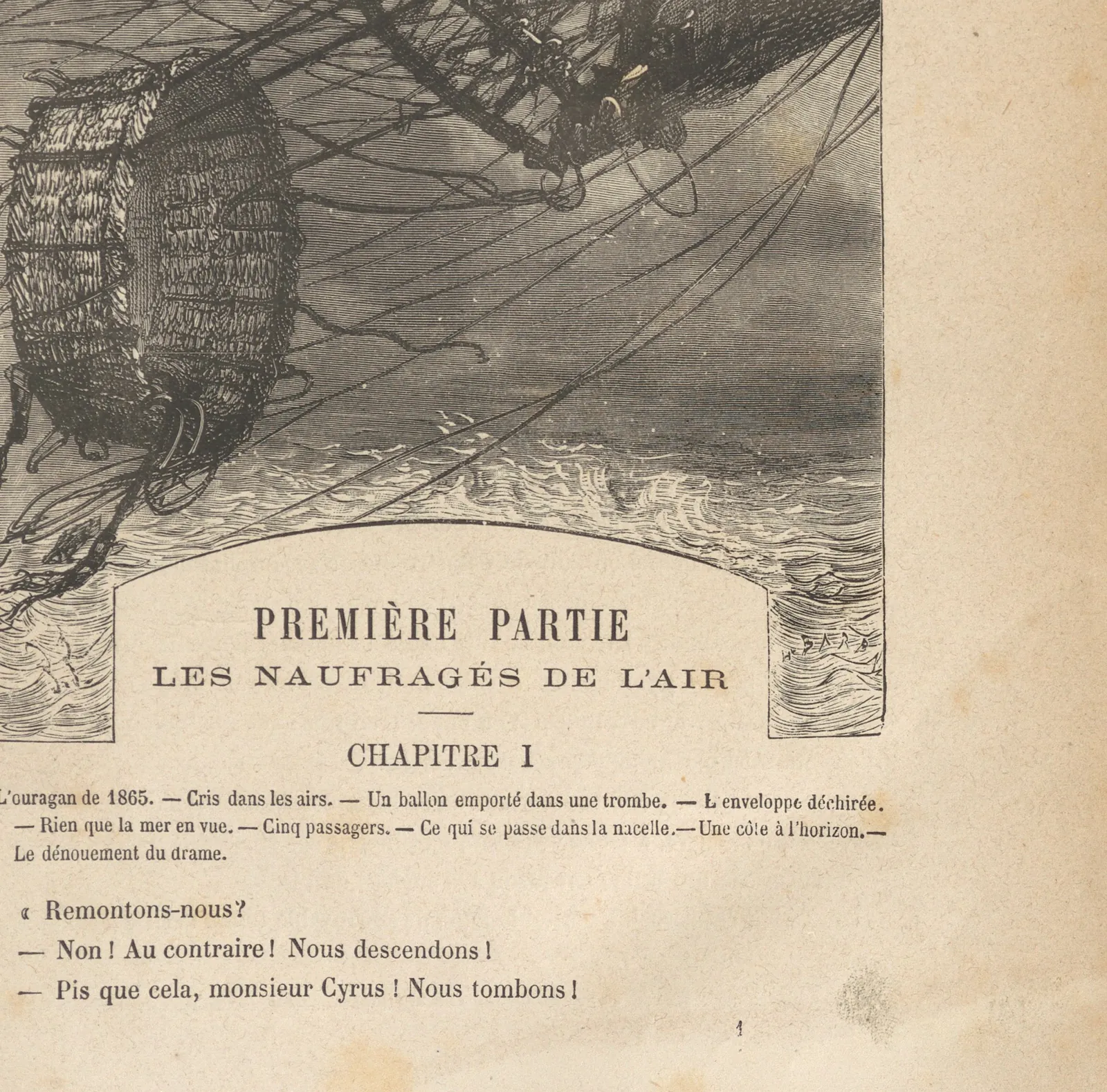
It's the opening that hooks fastest, and also the riskiest, because a reader who understands nothing for too long ends up drifting away. Verne gets away with it because the situation, a balloon falling, needs no explanation, and the names and reasons come afterward.
2. The gradual opening
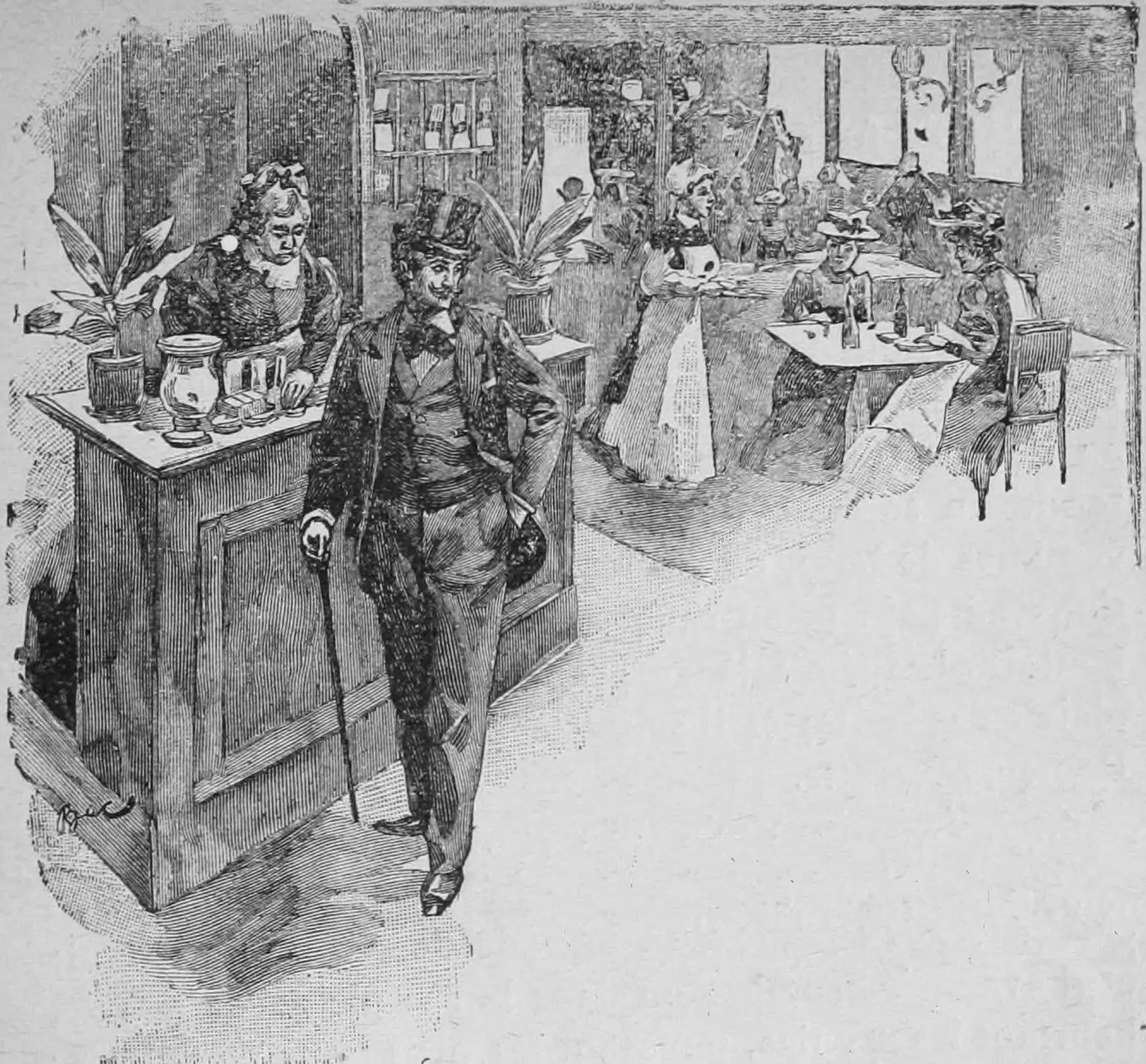
The author reveals the character and their world little by little, through gestures and thoughts, without presenting them all at once. Bel-Ami (1885) begins: "When the cashier had given him the change out of his five-franc piece, Georges Duroy left the restaurant." A few lines later, Maupassant shows Duroy counting what he has left, three francs forty to last the rest of the month, and the reader has grasped the essentials of the character without ever being told who the hero is.
3. The descriptive opening
The author takes time to paint the setting before the action begins, as nineteenth-century realist novels often do. Balzac opens Père Goriot (1835) on Madame Vauquer and her boarding house, described room by room, down to what he calls "the smell of a boarding house." Flaubert opens Salammbô (1862) with "It was at Megara, a suburb of Carthage, in the gardens of Hamilcar," before describing the mercenaries' feast. The reader enters a painting before entering the story, which asks for a patience the author then has to reward.
4. The suspended opening
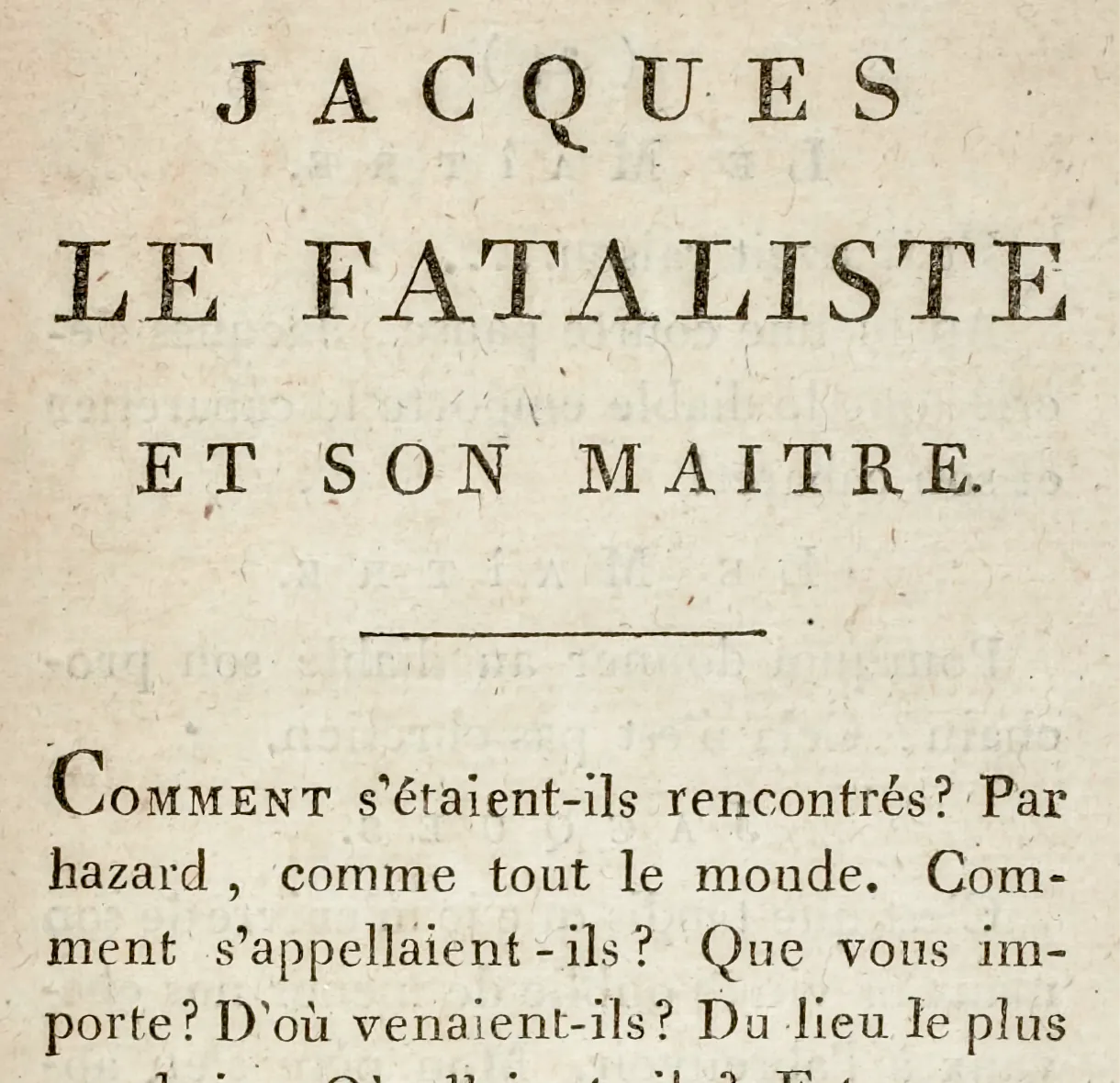
The author deliberately withholds information, and the intrigued reader has to accept not knowing. The classic example comes from Diderot in Jacques the Fatalist (published in 1796):
"How had they met? By chance, like everybody else. What were their names? What's it to you? Where were they coming from? From the nearest place. Where were they going? Does anyone know where they're going?"
The narrator dodges the questions every reader asks, and that's the book's program, since it spends its time playing with the expectations of whoever reads it.
Famous opening lines, and what they do
Albert Camus, The Stranger (1942)
"Mother died today. Or maybe yesterday, I don't know."
In French, the narrator says "maman," a child's word, and admits at once that he doesn't know which day she died. The gap between the event and the way Meursault talks about it sets up, from the second sentence, the unease that runs through the whole novel.
Marcel Proust, Swann's Way (1913)
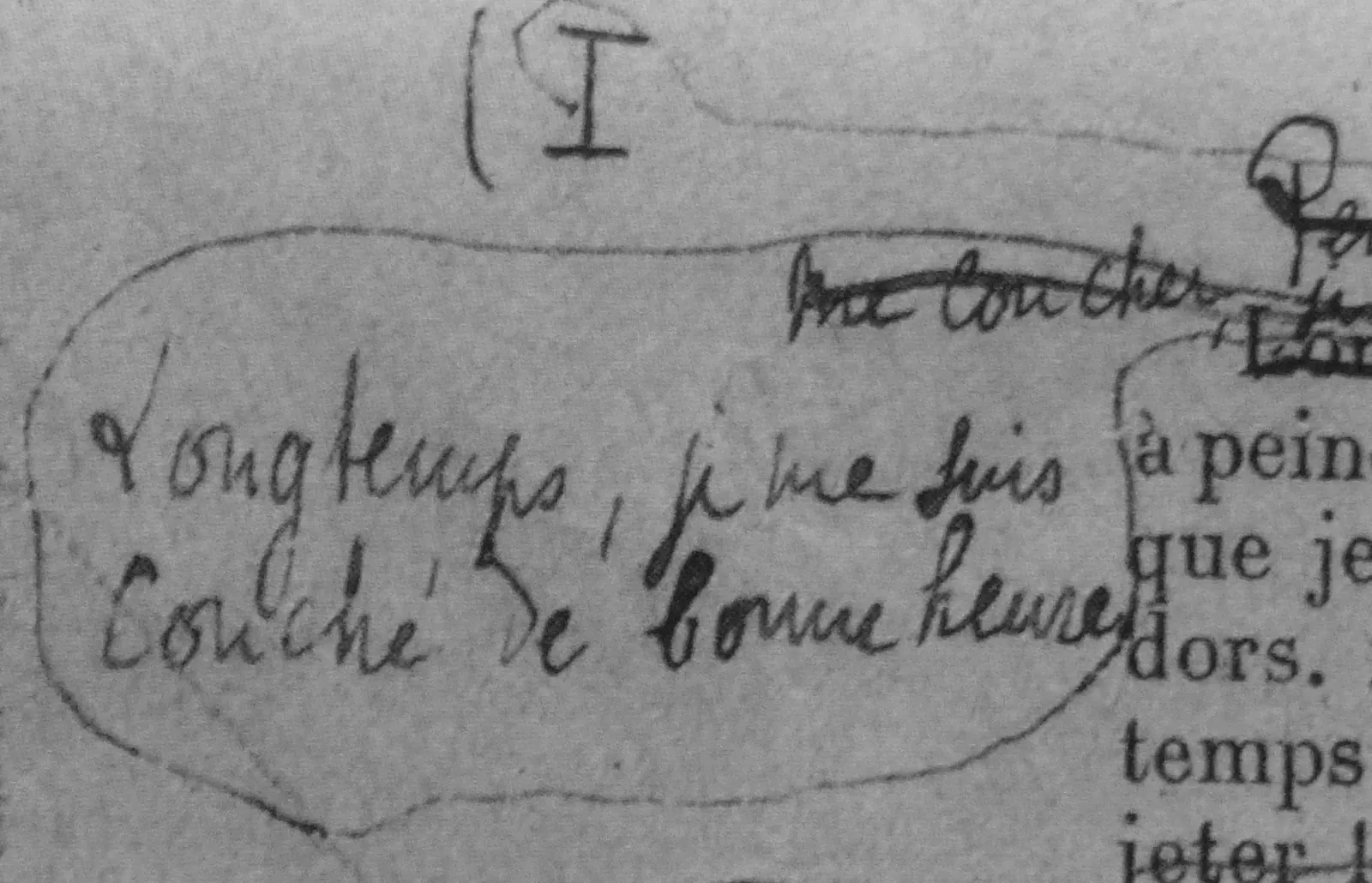
"For a long time, I went to bed early."
The phrase "for a long time" opens a span with no precise limit, and the tense places the story in memory from the start. The subject is utterly banal, going to bed early, which is a fair announcement of a book that finds its material in the most ordinary details.
Gabriel García Márquez, One Hundred Years of Solitude (1967)
"Many years later, as he faced the firing squad, Colonel Aureliano Buendía was to remember that distant afternoon when his father took him to discover ice."
The sentence starts from a moment much later, the colonel facing the firing squad, and immediately goes back to an afternoon in his childhood, and the whole novel settles into this back-and-forth between eras. The reader gains a question they'll want answered: how does the colonel end up there?
Louis-Ferdinand Céline, Journey to the End of the Night (1932)
"Here's how it started."
Céline opens his novel with five words of spoken French (Ça a débuté comme ça), a register that novels of the time rarely allowed in their first sentence, and he thus announces the tone of the whole book before telling anything at all.
Jane Austen, Pride and Prejudice (1813)
"It is a truth universally acknowledged, that a single man in possession of a good fortune, must be in want of a wife."
Austen states in a serious tone what looks like a general law, and the next sentence reveals where this "truth" comes from: the families of the neighborhood, who consider any rich bachelor the rightful property of one of their daughters. The irony is there from the opening, and the reader who catches it knows what kind of book they're holding.
The most worn-out openings
Waking up. "The alarm went off at 7. Clara opened her eyes." This opening turns up very often in first manuscripts, and it delays the story instead of launching it. It only works if waking up is itself the event, as in Kafka: "As Gregor Samsa awoke one morning from uneasy dreams, he found himself transformed in his bed into a gigantic insect."
The weather. "It had been raining for three days." Unless the rain matters to the plot, this sentence teaches the reader nothing they need.
The physical portrait. "With her brown hair and green eyes, Léa…" A list of features rarely holds attention, while a gesture or a thought brings a character to life much faster.
The dream. The reader invests in a scene, then discovers it never happened, and many experience that as a trick.
Exposition in a block. "In the year 3042, on the planet Zephyr-7, in the floating city of Nebulon, young Kael…" Give the reader enough to understand the scene and keep the geography of your world for later. Our article on worldbuilding without infodump shows how to spread this information through the story.
Writing your opening in five steps
1. Choose the type that suits your story
A thriller often opens in medias res, a psychological novel works well with a gradual opening, and a fantastical story can play with suspension. These are tendencies rather than rules, and the right question remains which of the four types matches the tone of the book you're writing.
2. Come back to it once the novel is finished
The best time to settle your opening often comes when the novel is finished, because you then know the story and its tone. The opening makes the reader a promise, and it's easier to phrase once you know what the book delivers. Nothing stops you from writing a first version at the start to get going, as long as you come back to it.
3. Try several versions
Write five to ten versions of the first sentence, changing the point of view or the tense. García Márquez told the Paris Review in 1981 that he had sometimes spent months on a first paragraph, and that once he found it, the rest came very easily.
4. Read it aloud
An opening has a rhythm, and clumsy lengths and repetitions are easier to hear than to read.
5. Have someone read it
Give your first page to someone who doesn't know the story and see whether they ask for more. If they don't, ask them where they lost interest, then rework from there.
Keeping a record of every version
After rewriting your opening many times, you end up missing a version you deleted. In Extypis, you can save a version of your first scene before each major rewrite, compare two versions and restore the one you prefer (the free plan allows two save points, paid plans have no limit). The scene board also shows the summaries of all your scenes in a single view, which helps check that the opening's promise matches what the last chapters tell.


If you're also preparing the synopsis for agents and editors, our guide to writing a novel synopsis will help you summarize the whole story on one page.
Hubert Giorgi
Author
The writing studio novelists were missing
Outline, characters, places and objects, the links between them, mind map, scene board, export: everything lives in one place. Plus an AI that knows your story, whenever you want one.
Free to write and to export. No credit card asked.