Blog Extypis
Discover our articles about writing, literature, and author tips. Learn, get inspired, and improve your craft.
Featured Articles
The most popular articles from the community
« Balance ton Claude » : ce qu'un détecteur d'IA peut dire d'un roman, et ce qu'il ne peut pas dire
Un compte anonyme accuse le roman de Thélyson Orélien d'avoir été écrit par une IA. Ce que mesure Pangram, ses limites, et comment un auteur peut se protéger.

AI watermarking on text: why it's good news for writers
Claude now marks its text with an invisible watermark. For authors, that is finally physical evidence instead of permanent suspicion.
NaNoWriMo Has Closed: How to Write a Novel in a Month in 2026
NaNoWriMo shut down in 2025, and its method lives on: who is taking over in 2026, and how to run your own 50,000-word writing marathon.
 Writing Techniques
How to Write a Short Story: Structure, Constraints, Method
The short story follows its own laws: Poe's unity of effect, Carver's economy, Munro's ellipses. Structure, constraints and method for writing short fiction that holds together.
 Writing Techniques
How to Revise the First Draft of a Novel: a Four-Pass Method
Revise a first draft without getting lost: six weeks in a drawer, then four passes that move from structure to scenes, from scenes to sentences and from sentences to the surface, following Stephen King.
 Writing Techniques
Worldbuilding for Fantasy and Sci-Fi Without the Infodump
How to build a rich fantasy or science-fiction world without burying readers in exposition, using the iceberg method, action and consistency.
AI and Submitted Manuscripts: Where Does Your File Go, and Who Said Yes?
The Writers' Union of Canada is asking publishers to get your consent before running a manuscript through AI. The decisive question is where your file goes, and who authorized it.
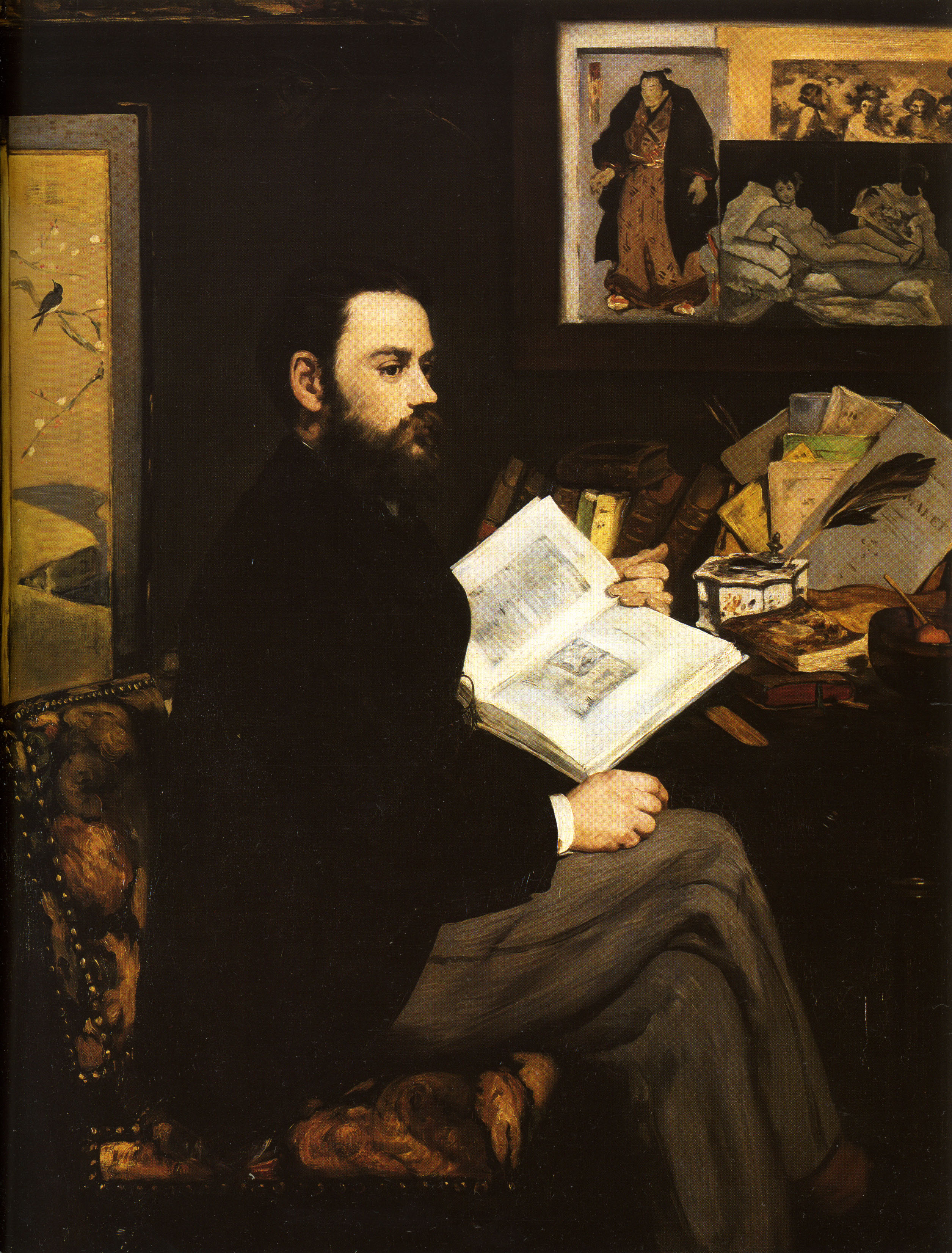
AI Detectors: What a "100% AI-Generated" Score Is Worth
A detector declared a prize-winning short story "100% AI-generated." On essays by non-native English students, these tools wrongly accused more than half of the human texts. What this case says about how writers get accused today.
 Writing Techniques
Extypis or Sudowrite: Which AI Writing App to Choose in 2026?
Sudowrite and Extypis both help you write a novel with AI, but they give the machine very different roles. Pricing, features, language and data, compared from their websites on 27 September 2026.
AI and Copyright: Did the Model Steal the Books, or Pay for Them?
French authors want to sue AI companies, the French Senate passed the Darcos bill, Anthropic is paying $1.5 billion. One question sorts out all of these cases: did the work enter the model with its author's consent?
Vibe Writing: Borrowing the Developers' Word to Clarify the AI and Writing Debate
Developers have used the term vibe coding since February 2025. Brought into literature, it separates four ways of writing with or without AI and shows where the red line runs.
Fake AI Books: What the Authors' Appeals Actually Ask For
The European Writers' Council and more than 70 American novelists are asking publishers to refuse AI-generated books. What their texts target precisely, and where the line runs between a writer who gets help and a book written by a machine.
 Writing Techniques
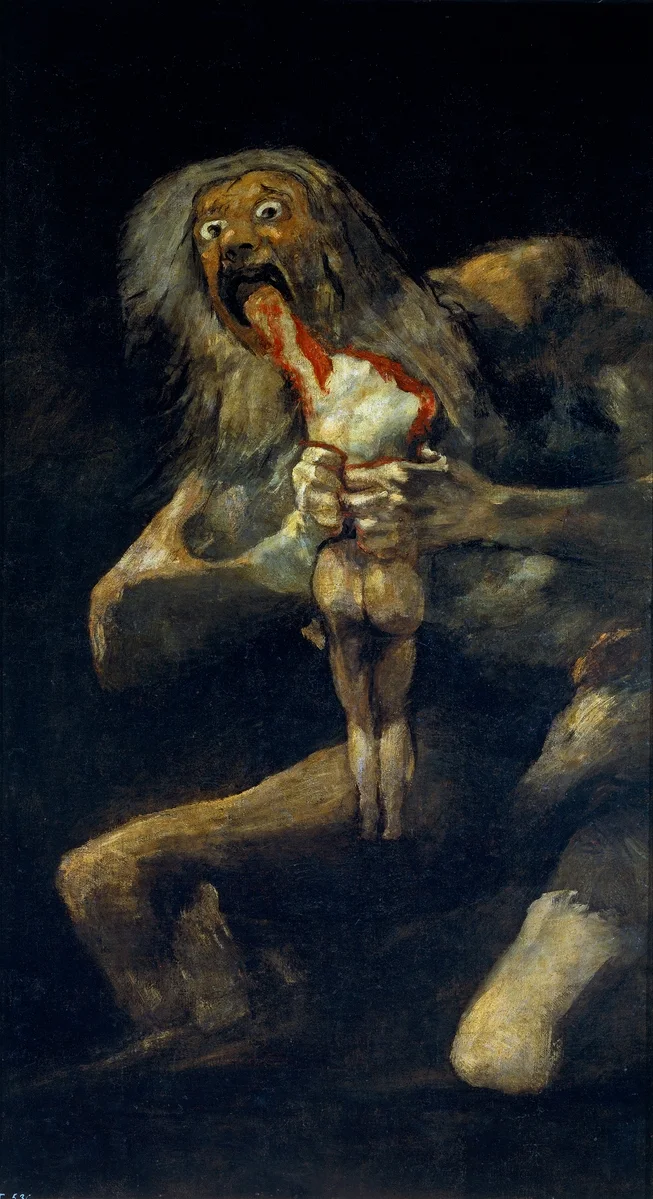
Building a Memorable Antagonist: Beyond the Cardboard Villain
Five antagonists from literature, three working principles and a method to make your adversary the engine of your novel.
 Writing Techniques
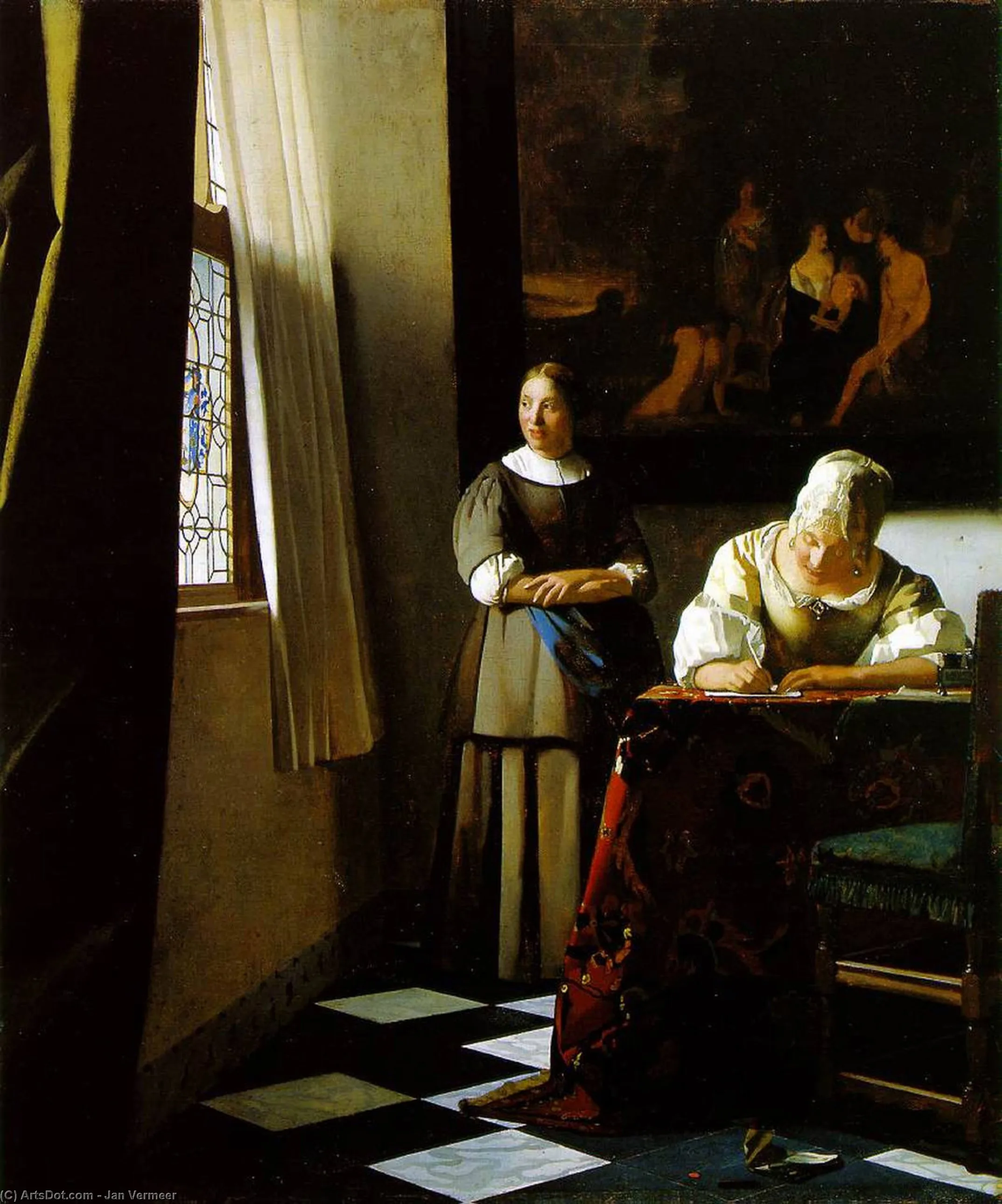
First or Third Person: How to Choose for Your Novel
Writing "I" or "he" changes what the reader knows, the distance they keep from the character and how far they trust the narrator. Examples, criteria for choosing and common mistakes.
 Writing Techniques
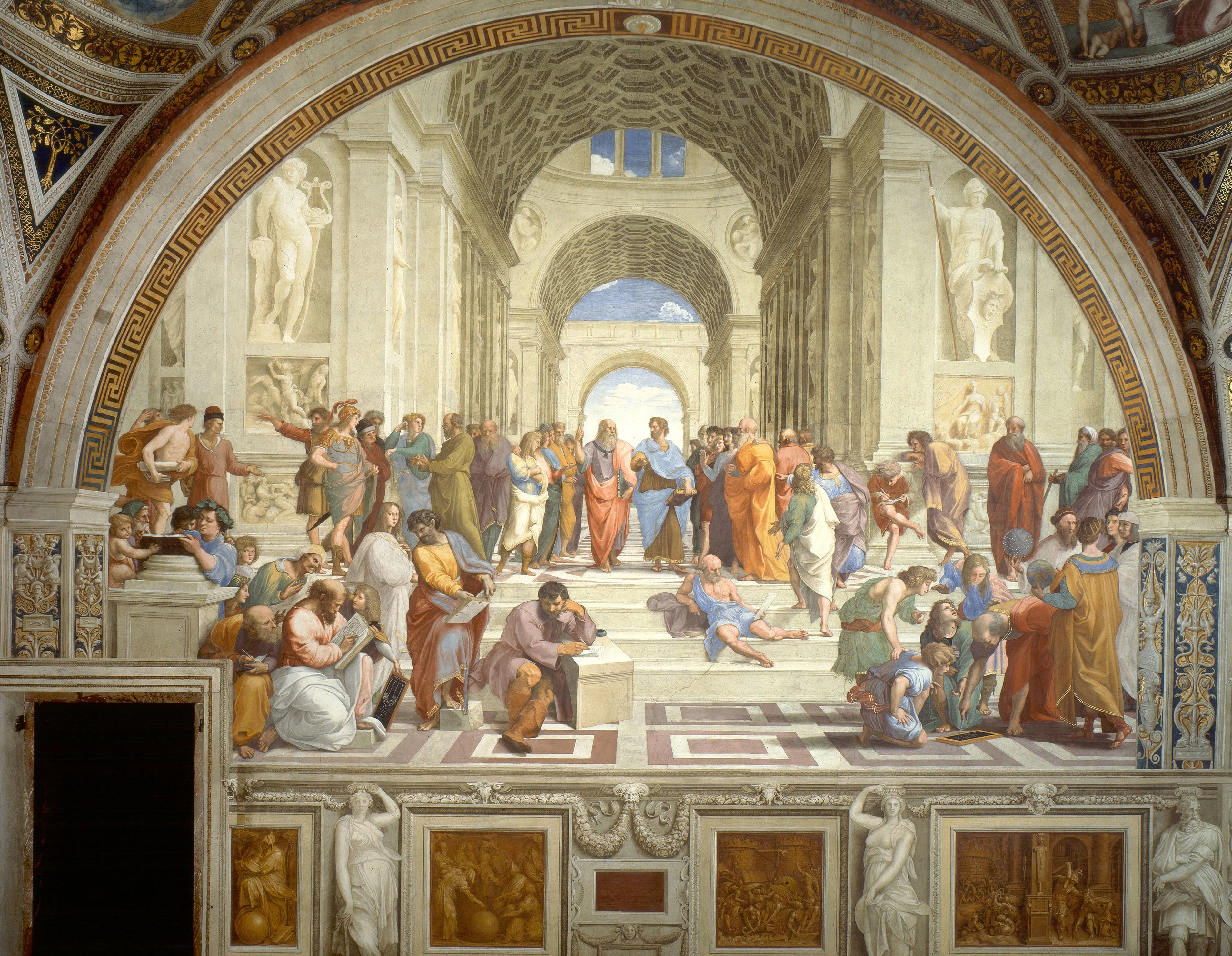
The Ensemble Novel: Writing With Multiple Narrators (Guide and Examples)
An ensemble novel hands the story to several narrators in turn. Five classic examples, what the form gives and what it costs, and six tips for keeping several voices distinct.
 Writing Techniques
How Many Words in a Novel? The Complete Guide by Genre
A standard novel runs 70,000 to 100,000 words, and the right length depends mostly on the genre. A table by genre, the length of famous novels, and advice for adjusting a manuscript that's too short or too long.
 Writing Techniques
Opening Lines: How to Write a Great First Sentence for Your Novel
The opening lines of a novel decide whether the reader keeps going. The four types of openings, famous first lines explained, and five steps for writing yours.
 Writing Techniques
How to Write a Novel Synopsis (Complete Guide + Method)
The synopsis is the first document a publisher reads. Here's how to write one: ideal length, 7 essential elements, common mistakes, and a 5-step method.
 Writing Techniques
How to Write Dialogue That Sounds Real: Lessons from Hemingway, Carver, and Le Carré
How to write dialogue that sounds true without copying real speech: lessons from Hemingway, Carver and Le Carré, and Elmore Leonard's rules for tags.
 Writing Techniques
Show, Don't Tell: Chekhov's Real Advice and Five Techniques
The famous rule credited to Chekhov actually comes from elsewhere. What he wrote to his brother in 1886, where the phrase comes from, and how to show without dramatizing everything.
 Writing Techniques
How to Write an Opening Chapter That Hooks the Reader
Seven opening strategies that actually hook readers, broken down with examples from Camus, Kafka, Morrison, Márquez, Proust, le Carré and Carver.
 Writing Techniques
7-Point Story Structure: Dan Wells's Method for the Novel
Dan Wells popularized a seven-milestone method that fits on a single page, more compact than the Hero's Journey and more precise than the three-act outline. Here's how to fill it in, starting from the end.
 Writing Techniques
How to Write a Play: Structure, Stage Directions, and Tools
Acts, scenes, stage directions, distinct voices: everything you need to write a play. With examples from Williams, Miller, and Beckett.
 Writing Techniques
How to Export a Manuscript to PDF: The Complete Guide (With or Without LaTeX)
What separates "Save as PDF" from a publishing-quality export: formats, conventions for submitting a manuscript, and what LaTeX brings to the layout.
24 articles total